Get Instant Access
Enter your name and email to unlock the full Sellers Guide.
Sellers Guide
From preparing your home to handing over the keys — everything you need to sell confidently and for top dollar.
Selling your home is a big deal — financially and emotionally. The right strategy, the right preparation, and the right agent can make the difference between a fast, profitable sale and a drawn-out, stressful one.
This guide walks you through every stage of the selling process in North Carolina — from understanding your home's true value to navigating the Due Diligence period and closing the deal on your terms. I've helped sellers across the state, and the same principles apply whether you're in Charlotte, Raleigh, Wilmington, or anywhere in between.
Get a Free Home Value EstimateUnderstand Your Home's True Market Value
The first and most important step is knowing what your home is actually worth in today's market — not what you paid for it, not what Zillow says, and not what your neighbor got two years ago. The market changes constantly, and accurate pricing from the start is the single biggest factor in how quickly and profitably you sell.
I'll prepare a detailed Comparative Market Analysis (CMA) — a side-by-side comparison of your home against recent sales of similar properties in your area. We'll look at square footage, condition, finishes, lot size, location, and current buyer demand to arrive at a realistic price range.
Overpricing is the most common seller mistake. A home that sits on the market too long becomes "stale" — buyers start to wonder what's wrong with it — and you often end up selling for less than you would have if you'd priced it right from day one.
Online home value tools (Zestimates, etc.) are often off by 5–15% or more, especially in neighborhoods with mixed housing stock or limited recent sales. Use them as a starting point, not a source of truth. A CMA from an agent who knows your market is far more reliable.
What affects your home's value:
- Location and school district desirability
- Recent comparable sales within 0.5–1 mile
- Square footage, bedroom/bathroom count
- Condition, age of major systems, upgrades
- Lot size, garage, outdoor living features
- Current inventory levels and buyer demand
Prepare Your Home to Make a Lasting First Impression
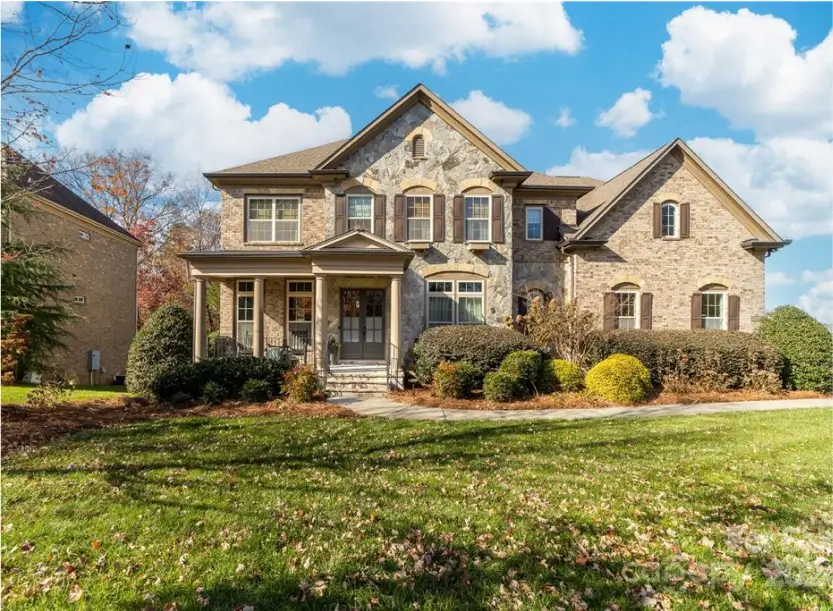
Buyers form an opinion of your home in the first 30 seconds — both online when they see the listing photos, and in person when they pull up to the curb. The goal of preparation is to maximize perceived value without spending more than you'll recover at closing.
Start with the basics: deep clean everything, declutter every room and closet, and address any deferred maintenance items that a buyer or inspector might flag. Leaky faucets, sticking doors, chipped paint, and dead landscaping all signal neglect — even if the bones of the home are excellent.
Neutral, fresh paint is almost always worth the investment. Depersonalizing your space (removing family photos, bold accent walls, personalized collections) helps buyers picture themselves living there. The goal is to make your home feel welcoming and well-maintained, not like a showroom — but not like anyone's personal expression either.
Consider a pre-listing inspection. Having a home inspector walk through before you list allows you to address issues on your own terms — not under pressure from a buyer in the middle of a transaction. It also signals to buyers that you've maintained the home and have nothing to hide.
High-return pre-listing tasks:
- Professional deep clean (inside and out)
- Fresh neutral interior paint where needed
- Curb appeal: lawn, mulch, pressure wash driveway
- Repair any obvious maintenance issues
- Declutter closets, garage, and storage areas
- Update outdated light fixtures or hardware (low cost, high impact)
- Stage key rooms — living room, primary suite, kitchen
Price It Right From Day One
Pricing is both a science and a strategy. The CMA gives us a realistic range; where within that range we list depends on your timeline, the current market, and how aggressively you want to compete for buyer attention.
In a strong seller's market, pricing slightly below the top of the range can generate multiple offers and drive the final sale price above asking. In a balanced or buyer's market, pricing at or slightly below market value keeps your home competitive without the stigma of price reductions later.
Price reductions are demoralizing — and expensive. Every week a home sits on the market, it loses negotiating leverage. A home priced right the first time typically sells faster and for more money than one that starts too high and chases the market down.
Psychological price thresholds are real. Buyers often search in $25,000 or $50,000 increments online. A home listed at $405,000 misses buyers searching up to $400,000. Pricing at $399,900 captures an entirely different pool of buyers — and more eyes on your listing means more offers.
Pricing strategy factors:
- Days on market for comparable active listings
- List-to-sale price ratio in your neighborhood
- Your timeline (fast sale vs. maximum price)
- Number of competing listings currently active
- Recent price trends — is the market rising or cooling?
Market Your Home to the Right Buyers
In today's market, over 95% of buyers begin their search online. That means your listing photos are your first showing — and they have to be exceptional. I coordinate professional photography for every listing, including wide-angle shots, proper lighting, and an accurate, flattering representation of every key space.
Beyond photos, your home will be listed on the MLS (which syndicates to Zillow, Realtor.com, Redfin, and hundreds of other platforms), marketed across social media, and promoted to my buyer network. For the right properties, we'll add video tours, 3D walkthroughs, and targeted digital advertising.
The listing description matters more than most sellers realize. A well-written narrative highlights the lifestyle your home offers — not just a list of features — and speaks directly to the buyer who's the ideal fit for your property.
Make sure your home is showing-ready before the first photo is taken. Clutter on countertops, unmade beds, or personal items left out will appear in photos and signal that the home isn't truly ready. Take one last walk-through with fresh eyes — or ask a friend to do it — before the photographer arrives.
What your listing package includes:
- Professional photography with proper staging preparation
- MLS listing with full syndication
- Compelling property description and feature highlights
- Social media promotion across platforms
- Open house coordination (when appropriate)
- Showing scheduling and feedback collection
Showings, Offers & Negotiating
Once your home is listed, showings will begin — sometimes within hours. Plan to keep the home clean and accessible, have a plan for pets and kids during showings, and make yourself scarce. Buyers feel more comfortable (and stay longer) when sellers aren't home.
When offers come in, we'll review every term together — not just the price. The Due Diligence Fee, earnest money amount, closing date, financing type, and any contingencies all affect how strong an offer truly is. A slightly lower offer with a strong DD fee and a flexible closing timeline may be worth more to you than a higher-priced offer with weak terms.
In a competitive situation with multiple offers, I'll help you evaluate each one strategically and respond in a way that maximizes your net proceeds and protects your timeline. We can counter, accept, or ask buyers to submit their "highest and best" offer by a deadline.
Don't be offended by low offers — they're an opening position, not an insult. A lowball offer still represents an interested buyer, and a skilled counteroffer often brings them to a fair number. Sometimes the buyers who start low are the most serious once they know you're willing to engage.
Evaluating an offer beyond price:
- Due Diligence Fee amount (higher = stronger commitment)
- Due Diligence period length (shorter = faster decision)
- Earnest money deposit size
- Financing type (cash closes fastest and most reliably)
- Proposed closing date alignment with your plans
- Appraisal gap coverage or waiver language
Under Contract — Navigating Due Diligence
Once you've accepted an offer, you're "under contract" — but the sale isn't final yet. The buyer has a Due Diligence period during which they can conduct inspections, secure financing, and walk away for any reason (forfeiting only their DD fee).
You'll likely receive an inspection report and possibly a repair request. This is normal and expected — no home is perfect. I'll help you evaluate the requests carefully: what's reasonable to address, what's negotiable, and what's worth pushing back on. Your response options include making repairs, offering a closing credit, reducing the price, or standing firm.
The appraisal (if the buyer is financing) is another key moment. If it comes in below the purchase price, we'll need to navigate the gap — the buyer may cover it, you may reduce the price, or you'll meet somewhere in the middle. I'll advise you through each of these decision points.
Keep the home in great condition and maintain showing availability even after going under contract. Until the Due Diligence period expires, the buyer can still walk away. Backup offers are also a useful tool — accepting one puts gentle pressure on the primary buyer to perform and protects you if they don't.
Key under-contract milestones:
- Due Diligence period (buyer's inspection window)
- Buyer's repair request (negotiate or decline)
- Appraisal ordered by buyer's lender
- Loan commitment / underwriting approval
- Final walkthrough by the buyer
- Closing attorney scheduling and title search
Closing Day — Time to Hand Over the Keys
The week before closing, you'll receive a settlement statement showing your final net proceeds — the sale price minus your remaining mortgage balance, agent commissions, prorated taxes, and any other closing costs. Review it carefully and ask questions if anything seems off.
The buyer will do a final walkthrough — usually 24 hours before closing — to confirm the home is in the agreed-upon condition and that any negotiated repairs have been completed. Leave the home clean and empty (unless personal property was included in the contract), with all keys, garage door openers, and appliance manuals ready to hand over.
At closing, you'll sign the deed and transfer documents, and once the buyer's funds are received and disbursed, the sale is complete. Your net proceeds will typically be wired to your bank account within one business day. Congratulations — you've successfully sold your North Carolina home.
Forward your mail, transfer utilities on closing day (not before — you don't want to lose power or water during the buyer's walkthrough), and change your address with the USPS, your bank, the DMV, and any subscriptions. Keep copies of all closing documents somewhere safe — you'll need them for your taxes.
Seller closing day checklist:
- Home clean and fully vacated per contract terms
- All negotiated repairs completed with receipts
- Keys, garage openers, gate codes, mailbox keys ready
- Appliance manuals and warranty documents left behind
- Utilities scheduled for transfer on closing date
- Review settlement statement for accuracy
3 Things Every Seller Should Know
Price Right the First Time
Overpricing is the most expensive mistake a seller can make. Homes priced accurately from day one sell faster and for more money than those that need reductions.
Preparation Pays Off
A clean, decluttered, well-maintained home photographs better, shows better, and commands higher offers. The time and money invested upfront almost always comes back at closing.
Know the NC Contract
North Carolina's Due Diligence contract structure is unique. Understanding how the DD fee and earnest money work helps you evaluate offers and negotiate from a position of knowledge.